
Jackpot Fishing Guide - Demo, Strategy and Tips
Jackpot Fishing turns a casino catalog into an active aim-and-shot session. Read the target display, choose a cannon level, and keep every shot inside a number decided before the round.
How does Jackpot Fishing work for a first session?
Jackpot Fishing is best approached as a shot-budget game: select a displayed cannon or stake, aim at a target, observe the result, and stop when the planned shots or loss line is reached. The action feels more active than a reel, but the screen does not turn chance into certainty. Confirm the current rules, target values and available mode before funding.
Jackpot Fishing screenshots put targets and pacing in focus
Use the real catalog images to recognize titles; use the live screen to verify every rule.
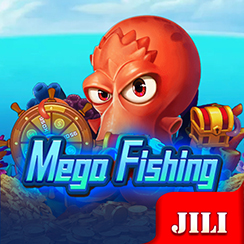

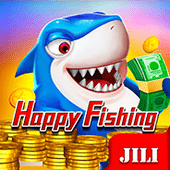
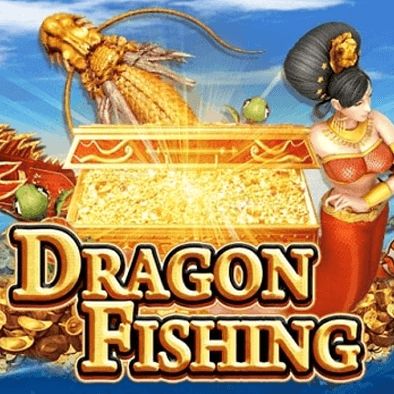
A Jackpot Fishing strategy starts with the shot ledger
There is no winning formula, but clear limits make the experience easier to manage.
Choose the cannon before the target
Start by comparing the displayed cannon cost with the session budget. A higher cannon may feel efficient against a large target, yet it also consumes the budget faster when a sequence misses. Keep the selected level stable instead of escalating after a miss.
Prioritize information, not excitement
Read the target type, any special meter, the shot result and the remaining balance. Decide whether the target is worth the current cost only after checking the on-screen values. Jackpot Fishing can reward attentive pacing as an arcade experience without promising a jackpot.
Use a stop signal
Write a shot count and a stop-loss before opening. If a special event appears, treat it as information rather than permission to abandon the plan. A pause protects the player from turning one missed target into a recovery chase.
What players notice about Jackpot Fishing over time
Active attention
Players can aim, change targets and watch a cannon result, so the session feels more hands-on than a passive spin. That extra attention should not be mistaken for control of the outcome.
Quick feedback
Every shot gives immediate feedback, which helps a player review pacing but can also encourage automatic repeats. Keep the shot ledger visible and take breaks.
Connection matters
A stable mobile signal reduces interruption. If the screen lags, pause rather than clicking repeatedly or assuming a missed action should be chased.
Visible target variety
Fishing titles may show different targets and meters. Read the live rules, because an attractive icon or name does not describe the current paytable.
Jackpot Fishing achievements should be personal checkpoints
A milestone is useful when it records discipline, not just a payout.
Milestone one: explain the controls
Before money is involved, a player should be able to identify the target, cannon cost, shot action, balance and exit control. A Jackpot Fishing Demo, when presented in the lobby, is a sensible place to learn that map.
Milestone two: complete a planned block
Play one short block with the same cannon level and a written shot count. Finishing without changing the rules after a miss is stronger feedback than a single lucky hit.
Milestone three: stop on time
Ending when the timer or budget says so demonstrates control. It also leaves a clear note for a later session instead of encouraging a second deposit in the same emotional moment.
When is Jackpot Fishing a sensible fit?
Jackpot Fishing is clearer when the order stays simple
First verify the title and current rules. Next choose the cannon and shot budget. Then aim at a target, review each result and stop at the planned boundary. Finally record what you learned without treating a jackpot or miss as a forecast. The table game online casino shelf is an access point, not a promise.